

How to Check if the Jade is Authentic? 7 things to check before buying
"Is this jade real?" It sounds like a simple question. But in actual purchases, it usually involves three different questions:
• Is this material really jade?
• If it's jade, is it jadeite or nephrite?
• If it's jadeite, has it undergone any chemical treatment?
These distinctions are very important. The term "jade" online is often used broadly, sometimes referring to jadeite, sometimes nephrite, and it can also refer to green stones that do not belong to either material at all. Pretty photos cannot solve this problem; slicing glass, feeling cold to the touch, or tapping bracelets to listen to sounds also fail to provide reliable conclusions.
Since I started learning and engaging with jadeite in 2015, one thing has never changed: what is truly trustworthy is not the most exaggerated item, but the merchant's willingness to provide clear, verifiable information for it.
If you want to buy jadeite online, here are the 7 things I will check first.
1. Ask for the Exact Mineral Name
The first step is to confirm the exact mineral name. A description like "green jade necklace" is not specific enough.
According to the Gemological Institute of America (GIA), "jade" is a collective term for two types of gemstone materials: jadeite(翡翠) and nephrite(软玉). Both are genuine jade, but they are made from different materials, with different structures, appearances, and markets. The name "Jade" has also been mistakenly used for other green materials and artificial imitations. You can learn more information from GIA Jade Buying Guide and GIA Jade Description.
A useful product description should clearly indicate one of the following:
• Jadeite jade (翡翠)
• Nephrite jade (软玉)
• Other precisely named gemstones
• Imitation or simulated jade(仿玉)
When you see vague names like "new jade," "Korean jade," "Australian jade," "crystal jade," or only "natural green jade," be extra cautious. Just because a name sounds like jade doesn't mean it accurately describes the material.
2. Don't Confuse "Natural" with "Untreated"
A product can be genuine jadeite, and it has also undergone treatment to alter its appearance.
In the industry, you might see these names:
• Type A jadeite: jadeite without dyeing or glue injection; Traditional surface waxing may be seen on the market
• Type B jadeite: jadeite that has undergone chemical bleaching followed by polymer infusion
• Type C jadeite: dyed jadeite
• Type B+C jadeite: jadeite that has undergone bleaching, glue injection, and dyeing treatments simultaneously
GIA's public research describes Lot B as bleached and polymer-injected jadeite, while Grade C is described as dyed jadeite. GIA also notes that slight surface waxing is more common in the market, while other treatments may require laboratory testing to detect. You can learn more information from GIA's "Gem Optimization Treatment and Testing" and GIA Green Gem Buying Guide.
3. Read the Report Content—Not Just the Certificate Cover
A certificate can help, but "having a card" alone does not prove anything. You need to examine what the report actually identified.
Key Inspections:
• The full name of the laboratory
• Report number
• Material appraisal results
• Comments section regarding treatments or enhancements
• Weight
• Check if the photos match the actual item
• If the laboratory supports inquiry, can it be verified on its official website?
GIA states that jade reports do not automatically prove reasonable prices, investment value, excellent carving, outstanding design, or will be resold in the future. Reports only state gemological facts within their testing scope and are not price guarantees
4. Request Real Light, Not Just "Pretty" Light
The same piece of jadeite may appear noticeably different under warm indoor lighting, strong spotlights, natural light in shadows, and automatic color grading on a phone.
It is recommended to at least require:
• Short videos in indirect natural light
• High-resolution angles of both the front and back
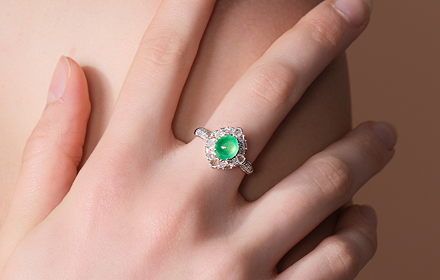
• On-skin reference photos to gauge true color and translucency
• Close-up shots without beauty filters
• Able to clearly see thickness, edges, and the angle of the embedded structure
GIA lists color, transparency, and texture as the three most important quality factors for jadeite, and recommends observing color under different light sources, while also checking for cracks, polishing, and surface reflections. You can learn more information from GIA Jadeite Quality Factors.
High-intensity flashlight videos can help observe internal features, but may also make jadeite appear brighter than when worn daily. It's just one perspective and not the whole truth.
5. Get Precise Dimensions and Ask About Inclusions
For jadeite, a difference of just a few millimeters can affect how the pendant is worn, the comfort of the bracelet, or whether the ring looks full enough. It's hard to judge the true proportions just by looking at photos.
When buying pendants or carvings, ask about height, width, and thickness; When buying bracelets, ask about inner diameter, band width, and thickness; When buying rings, confirm the sizing system and whether size changes are allowed. Weight can also help you match the actual item with the certificate.
Next, you can ask a question that honest merchants shouldn't be afraid of: "Are there cracks, chips, stone grain, rough spots, black spots, or do you need to inform me in advance about the repair status?"
Natural variations are not necessarily a drawback. In fact, they are one of the reasons why each piece of jadeite is unique. However, buyers should be able to distinguish between natural structure and cracks that affect durability; Sellers should also showcase both the beauty and shortcomings of a piece.
6. Inspect the Seller, Not Just the Jade
Buying jadeite online relies heavily on information disclosure. Don't just look at a beautifully crafted homepage.
You can check if the merchant offers:
• Authentic business name and valid contact information
• Clear materials and handling instructions
• Written return policy
• Delivery information
• Consistent photos or videos of the same physical item
• Methods for verifying test reports
• Respond directly and clearly to flawed issues
The FTC's Jewelry Guidelines state: When a jewelry treatment is not permanent, requires special care, or significantly affects value, merchants should disclose the relevant treatment where applicable. The FTC also emphasizes that consumers should obtain accurate information about natural gemstones, lab-grown gemstones, and imitations. You can learn more information from FTC Jewelry Guidelines and FTC Gem Handling Disclosure Notes.
Even outside the United States, this principle is still worth considering: important information should appear before the purchase, not after a problem is disclosed.
7. Beware of Over-Certainty on Uncertain Claims
If you encounter the following claims, it is recommended to leave:
• "Just touch it and it can prove it's real."
• "It can cut glass, so it must be jade."
• "This color must be Burmese jadeite."
• "No certificate needed. I've been doing this for many years, so it's obvious."
• "It will definitely appreciate in the future."
Simple home tests may provide some clues but cannot reliably distinguish all jadeite, nephrite, treated materials, and imitations. GIA research indicates that detecting polymer injections in jadeite may require using infrared spectroscopy technology in gemological laboratories. You can learn more information from GIA's "Burmese Jadeite: Elusive Gemstones.".
Experience is important for selecting jadeite, but experience cannot replace evidence.
A brief summary
Before purchasing, it is recommended to have the seller confirm the following five points in writing:
1. Accurate materials
2. Processing status
3. Complete laboratory report
4. Photos or videos of real objects in natural light
5. Dimensions, defects, and return conditions
Explore Our Collection
At RUAAALI, we believe jadeite should be understood before being sold. We focus on natural jadeite, thoughtful design, and clear product information, rather than describing every stone as flawless. You can check out our jadeite jewelry collection or learn about our jadeite sourcing and selection methods.
Our goal is not to make jadeite look scary or complicated, but to give you enough information to choose a piece of jadeite with the right reasons and to have no doubts when wearing it.
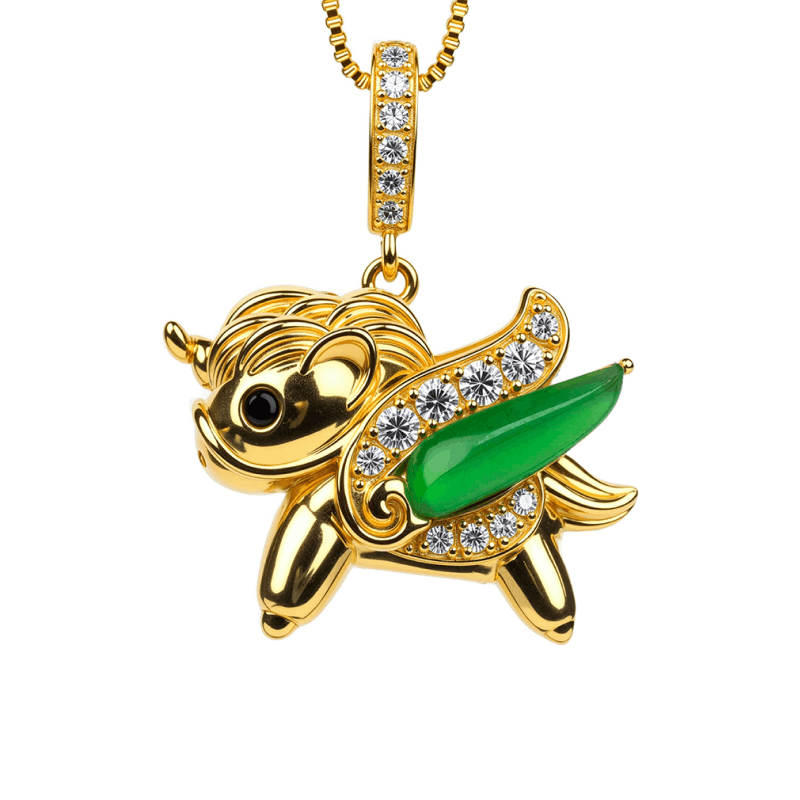
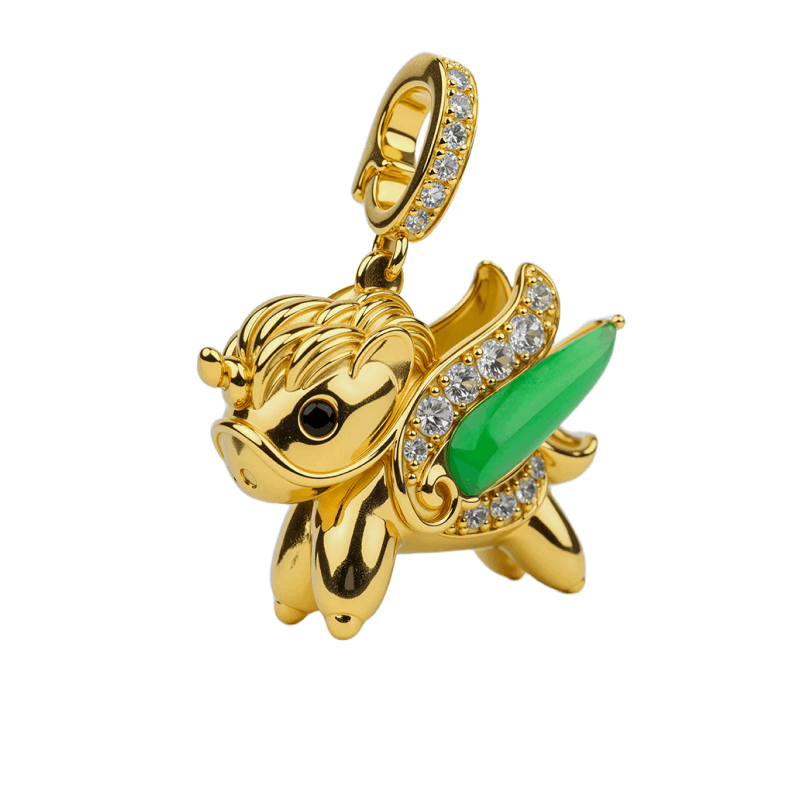
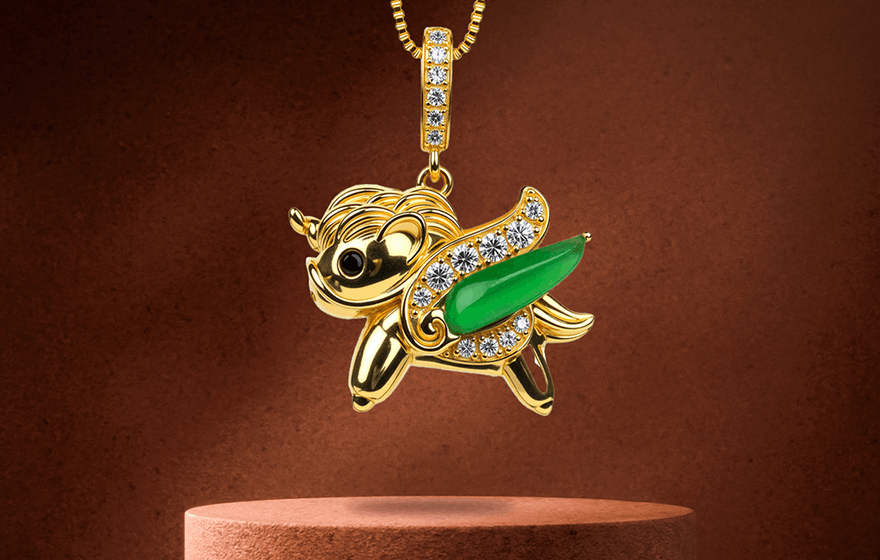
Discover the timeless elegance of authentic Type A jadeite in our curated online store. Each piece in our collection is thoughtfully designed to showcase the natural beauty and unique character of genuine gemstone craftsmanship, backed by complete transparency and verifiable lab reporting. Whether you are searching for a statement pendant, a classic bangle, or an everyday accent, we invite you to explore our jadeite jewelry collection and find a piece you will wear with absolute confidence. You can check out our Rainbow Pony Jadeite Necklace as the starting point.
Frequently Asked Questions
Q1: Can jade be judged real just by looking at the photo?
Cannot be reliably confirmed. Photos can help observe color, shape, polish, and visible defects but cannot confirm the type of mineral or the condition of treatment. If this information influences the purchase decision, a laboratory report should be requested.
Q2: Are jadeite and nephrite both real jade?
Yes. GIA describes jade as a collective term for jadeite and nephrite. They are two different gemstone materials, so merchants should clearly specify which one is being sold.
Q3: Does Type A represent the highest quality jadeite?
No. Type A indicates the state of treatment, not aesthetics or quality grades. Type A jadeite can still vary greatly in color, transparency, texture, size, completeness, and craftsmanship.
Q4: Is all green jade Burmese jadeite?
No. Green materials may include jadeite, nephrite, other gemstones, or imitations. You cannot judge the type or geographic origin of a mineral by color alone.
Q5: Does having a certificate mean the price is reasonable?
No. Jade reports specify the materials and detectable treatments within their inspection scope. Prices are also influenced by factors such as quality, size, completeness, design, craftsmanship, and market positioning
Q6: Is home testing safe and accurate?
Many home tests are unreliable, and scratches or knocks can damage jewelry. If mineral identification or handling conditions affect your purchase, laboratory testing is a safer option.